
Halloween has always been a night of costumes, candy, and spooky fun. But the way people celebrate has shifted across the years, creating varying childhood memories for students and teachers alike. Each generation shares what the holiday means to them.
Costumes Then vs. Now
For many teachers, Halloween costumes were handmade. “My mom and aunt made me a “Rainbow Brite” costume, and I loved it,” said Special Education teacher Ginny Swaggerty. That personal effort made the costume special and meaningful.
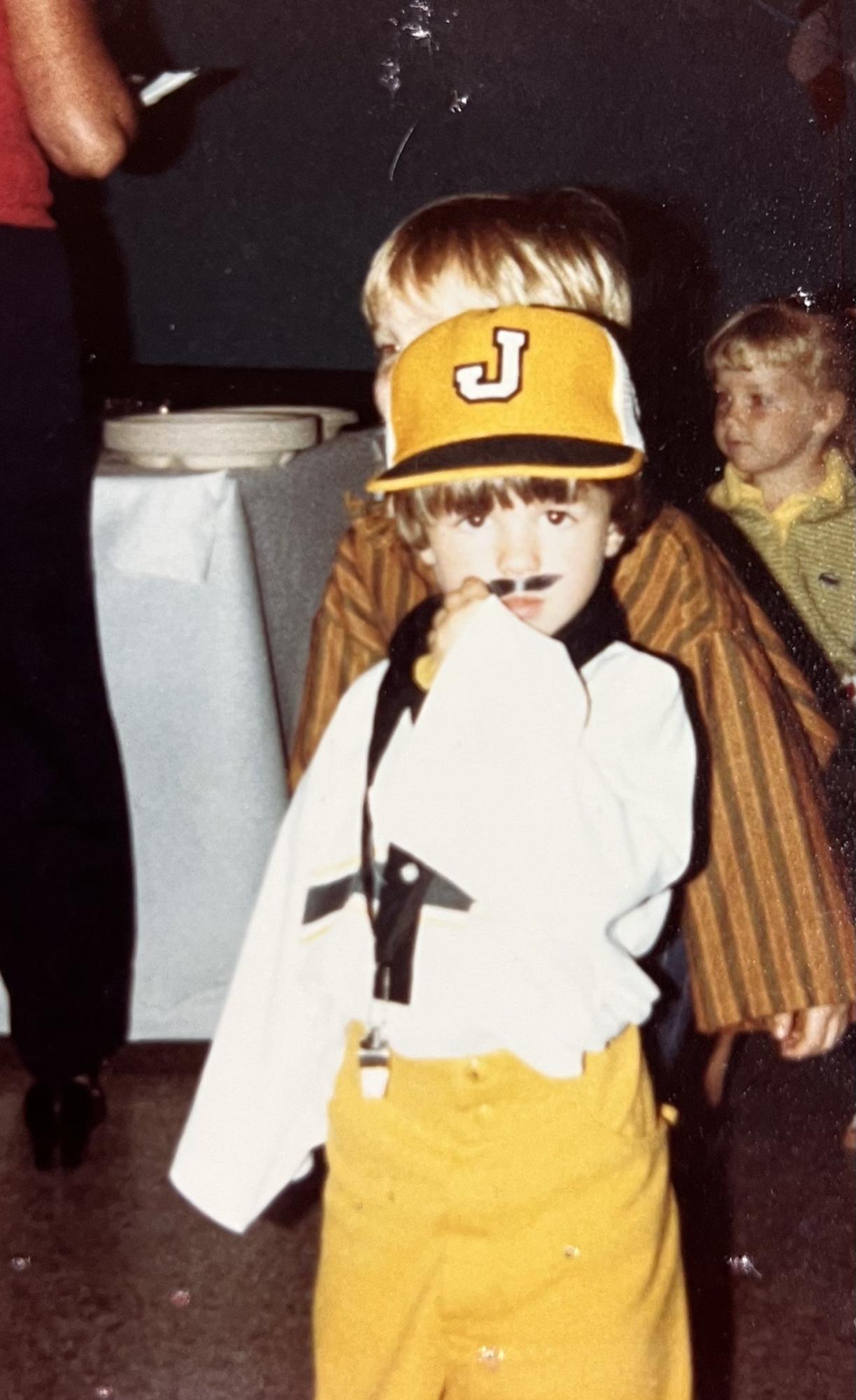
Costumes were personal, stitched with care, and often reflected creativity more than money. Each outfit carried a story. Homemade costumes also meant improvising with what was available. Buttons, old clothes, paint, and fabric straps were staples of many designs.
“I once dressed up as a hobo, complete with a fake cigar,” Special Education teacher Bradford Stubbs said. Outfits often came from household items, painted faces, and a dose of imagination. The costumes felt simple, but unique.
Today’s students describe a very different experience.“I’ve never made my own costume before,” Sophomore Alex Carey said. “Most kids just pick something from a store or order online.”
Senior Isaac Frye agreed, saying most costumes now feel “quite basic.” The shift from handmade designs to store-bought options shows how Halloween has become more and more commercialized over the years. Many students wait for sales or viral trends before picking their outfit.
English teacher Anita Vickers observed the same trend. “Costumes were much simpler, and decorations weren’t really a big deal,” she said. “Now it’s much more over the top and very expensive.” Her childhood memories involve fewer props, simpler masks, and decorations that cost far less.
Families today often spend weeks scrolling through online shops before making any Halloween purchases. They compare reviews, look for fast shipping, and even match costumes among group friends. The decision process now sometimes feels as big as the holiday itself.
Trick-or-Treating Traditions
Neighborhood participation has also changed dramatically. The streets of his youth were lively, glowing with porch lights and decorated yards. “Back then, 90% to 100% of houses gave out candy,” Stubbs said. “Now only about 50% in a good neighborhood do.” Sidewalks were always crowded with trick-or-treater and eager voices.
Students have noticed the decline too. Many no longer see the full walk of decorated homes thet heard about from their parents. The rhythm of laughter, costume reveals, and full candy bags is less common than before.
“My neighborhood is not very involved when it comes to decorating,” said junior Mariah Skeens. Fewer houses participate, which means children often travel farther or attend alternate events. The Halloween spirit is less visible in many neighborhoods due to the oversaturation of Halloween events.
“My family rarely sees many trick-or-treaters at all,” Freshman Anna Fenstermaker said. Instead, her family celebrates with simple traditions like handing out candy or attending small events. The days of overflowing pillowcases and endless door-knocking seem to be fading for many.
Trunk-or-Treat events explain part of this change. In past decades some churches disapproved of Halloween, but now many host these safe alternatives. Frye argued, “Trunk-or-treating is just a lazy way to celebrate Halloween.” Carey added, “Trick-or-treating puts you in the Halloween spirit more.” While some families embrace it, others feel it lacks Halloween’s original magic.
Haunted Houses and Neighborhood Thrills
The thrill of being scared has always been part of Halloween. “A neighbor dressed as Michael Myers chased me once,” Driver’s Education teacher Christian Gibson said. His dad even joined in by convincing the costumed neighbor to follow him, creating one of his most vivid childhood memories. The tension, laughter, and fear all mixed into unforgettable moments.
Haunted houses were community highlights. “The Bristol Jaycees haunted house was epic,” Stubbs said. “Everyone went.” These events blended fear and excitement, bringing together teenagers, families, and entire neighborhoods. The shared experience of being scared made Halloween more memorable for many teachers.
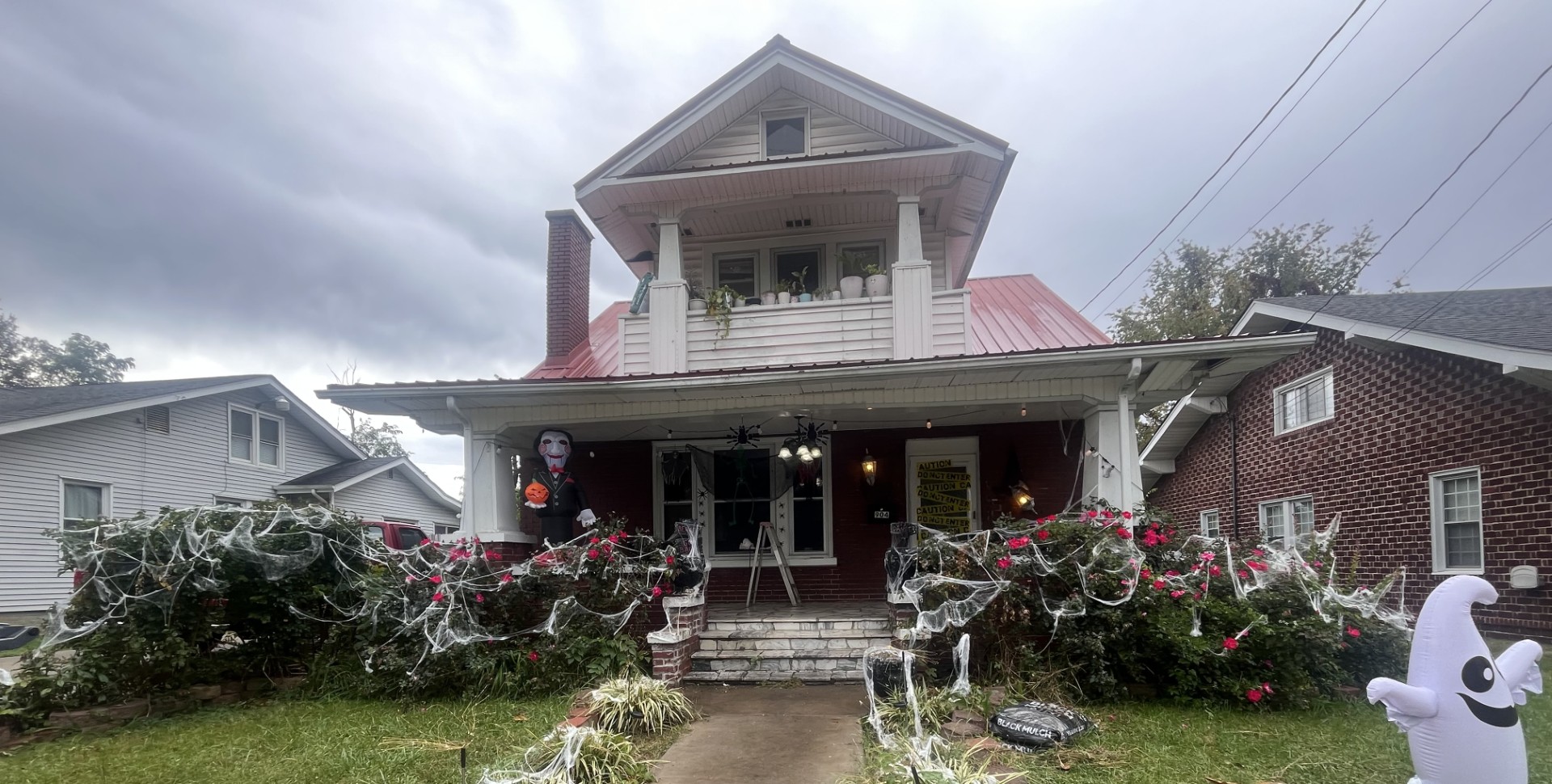
Students today continue these traditions. “My family always goes to haunted houses every year,” Carey said. Visiting attractions keeps the thrill alive. Frye added, “I go to Stickley’s Haunted Farm every October.” Both scary and fun, haunted houses remain timeless Halloween traditions.
Fenstermaker prefers a different approach. “My family goes to festivals and carnivals instead,” she said. While some teens love being scared, others focus on games, rides, and food. Either way, Halloween offers traditions that blend laughter and fright in unique ways.
Halloween Movies and Media
Movies have also always played a central role in shaping Halloween. “The Ghostbusters theme was the anthem of every Halloween I remember,” Stubbs said. Many teachers recall watching horror marathons on television, gathering with friends, and reliving the same classics every October.
Students still love Halloween movies but notice fewer modern releases. “All of the good Halloween movies are from the ’80s or later. It would be nice to see more Halloween movies released today,” Frye said. Nostalgia keeps the older classics alive.
Social media, however, changes the way Halloween is experienced today. “Everything spreads so fast now,” Carey said. A single TikTok trend can spark a new costume craze overnight. Movies, influencers, and viral challenges all shape how students choose to celebrate each October.

Halloween Becomes Big Business
Halloween is no longer just tradition, it’s also an enormous industry. Spirit Halloween opened in 1983 and now operates more than 1,400 stores seasonally. For students and teachers alike, walking into one of these shops signals the start of the spooky season.
The numbers show how much has changed. In 1987, Americans spent about $3 billion on Halloween. By 2023, that number had soared to $12.2 billion. Costumes, decorations, and candy now drive a massive consumer market, fueled by advertising and pop culture trends.
Vickers observed how much spending has increased. “When I was young, Halloween was fun but not expensive,” she said. “Now, families feel pressure to buy elaborate costumes and yard decorations.” The holiday’s meaning has shifted, but its popularity continues to grow.
History and Roots of Halloween
The deeper history of Halloween reveals even more change. Over 2,000 years ago, the Celts celebrated Samhain, marking the end of harvest. People believed the boundary between living and dead grew thin, so they wore disguises and lit bonfires to protect themselves.
As Christianity spread, the holiday transformed into All Hallows’ Eve, eventually blending into Halloween. Instead of warding off spirits, children dressed up for fun and sweets. What began as a spiritual tradition slowly evolved into a community holiday filled with laughter and candy.
A Holiday That Keeps Evolving
Even with so much change, families still pass down traditions. “I took my kids back to my childhood neighborhood so they could trick-or-treat where I once did,” Stubbs said. Nostalgia keeps Halloween’s magic alive, even as participation has declined in many neighborhoods.
Skeens also emphasized family traditions. “My family has Halloween parties every year,” she said. “It’s less about costumes and more about being together.” For some families, Halloween is shifting from neighborhood-centered to home-centered celebrations, emphasizing bonding over spectacle.
Despite the debates over trick-or-treat, costumes, or commercialization, Halloween continues to thrive. “It’s celebrated much less now than it was in the past,” Fenstermaker said. Students recognize the decline, but they still see Halloween as a night of fun.
Swaggerty captured the heart of the holiday: “I love door-to-door trick or treating, carving pumpkins, and watching older Halloween movies with my kids.” Across generations, the spirit of Halloween continues to connect families, neighborhoods, and communities in different, yet meaningful ways.