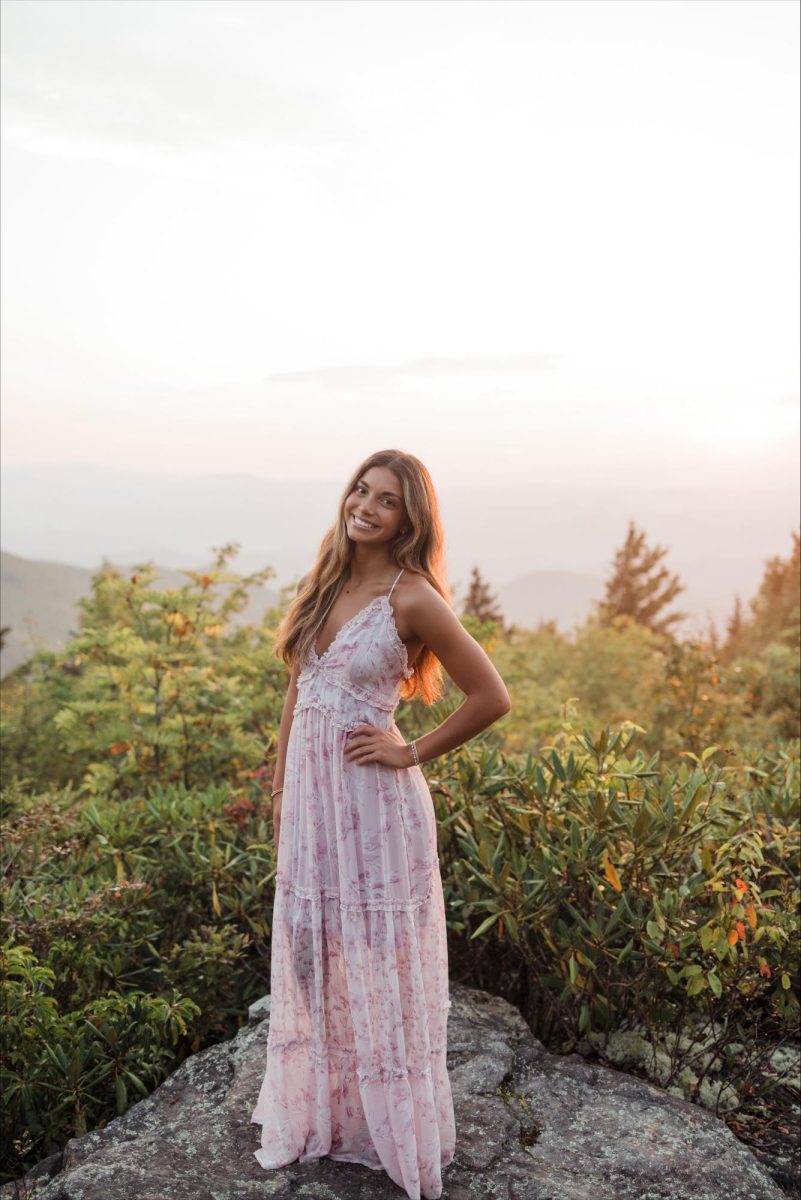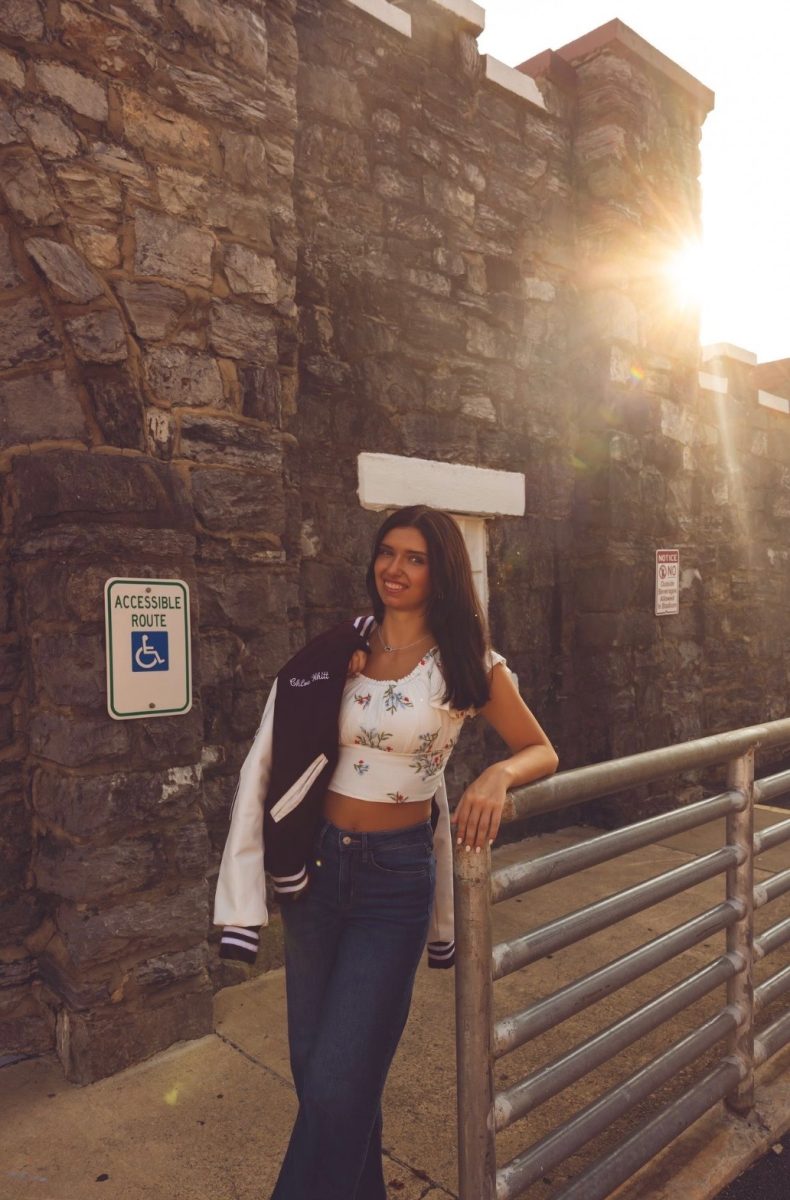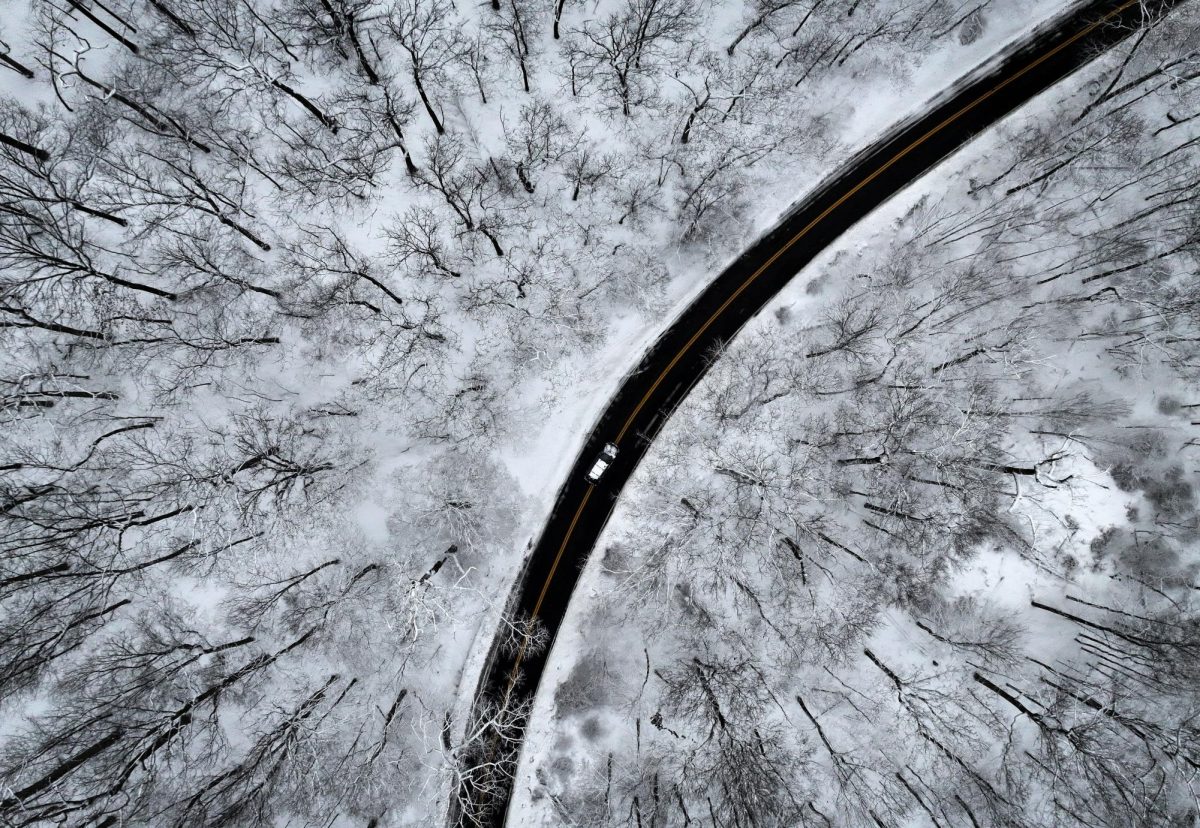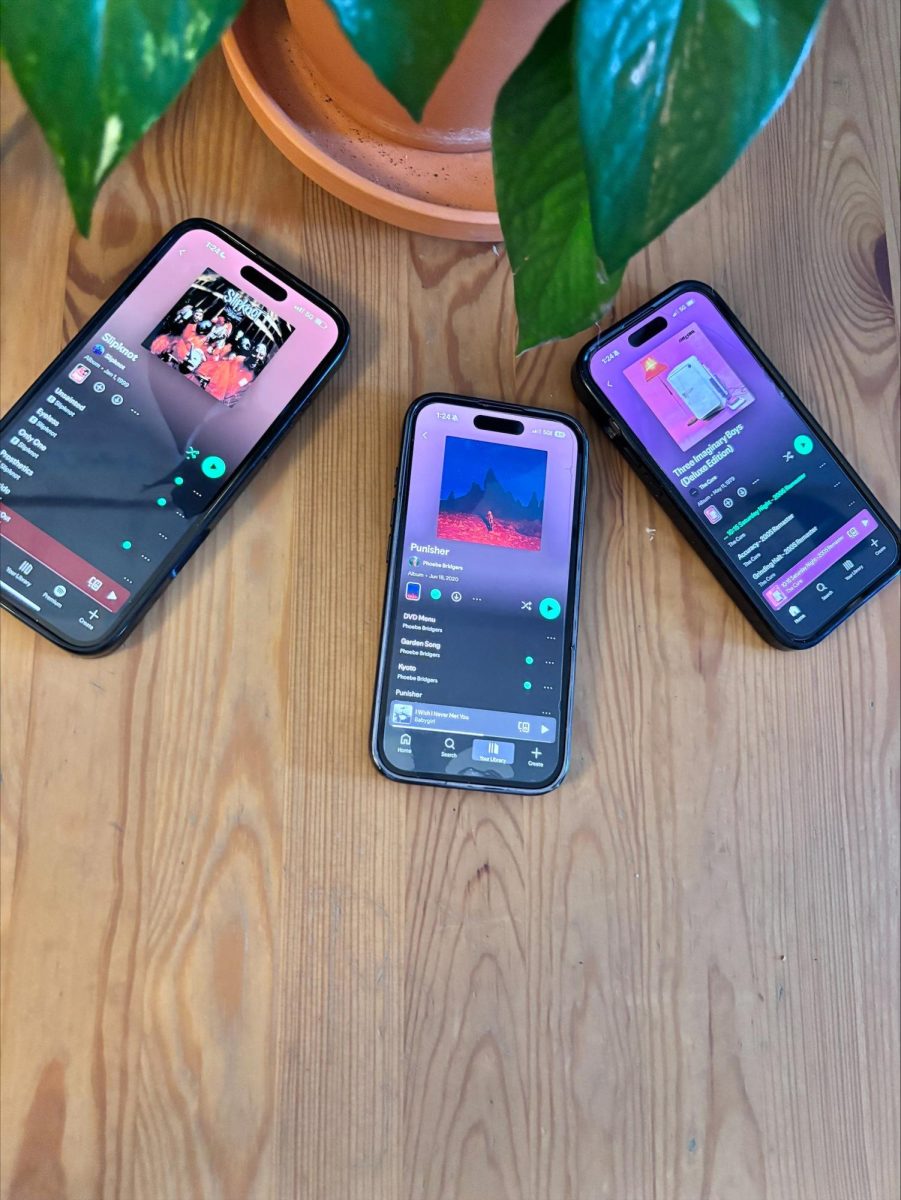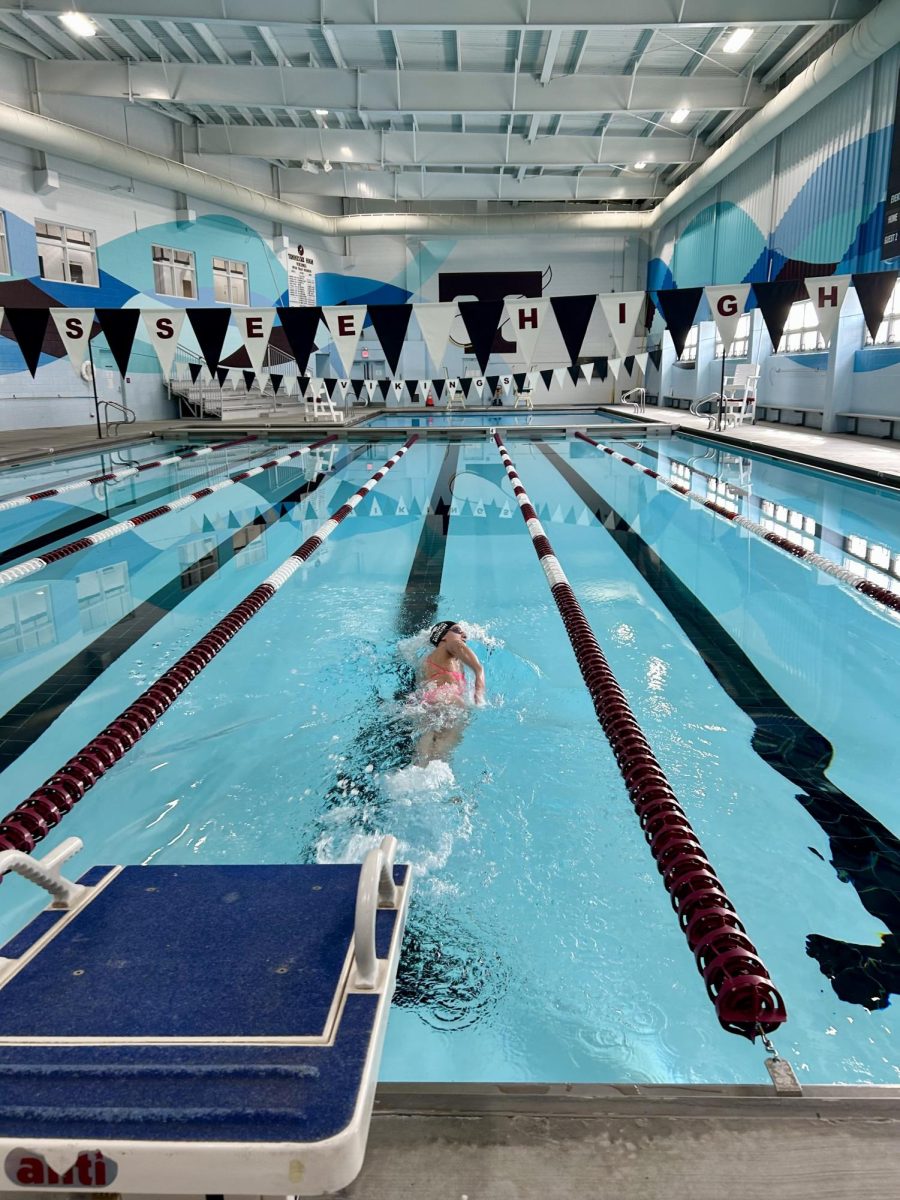
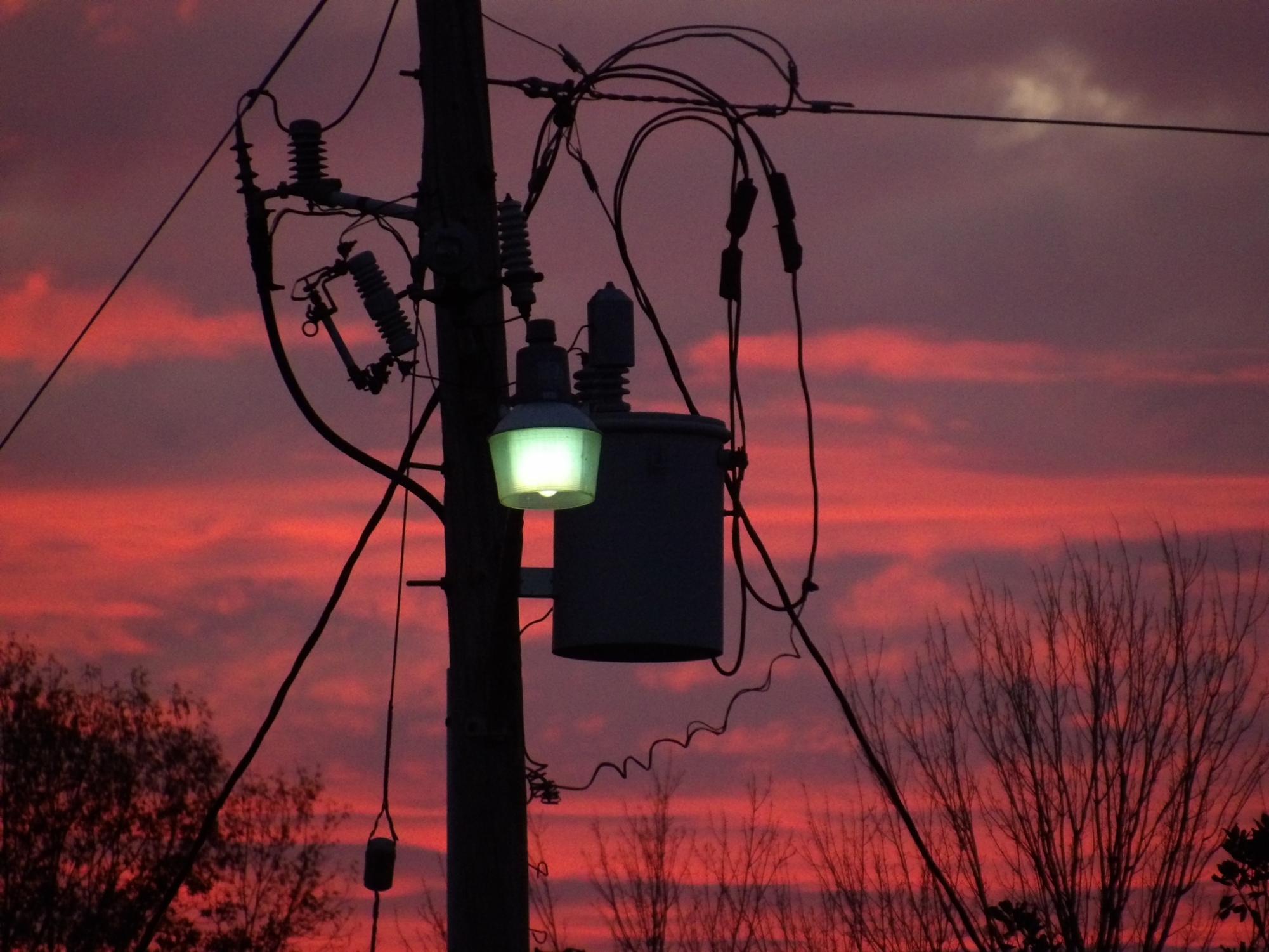
It’s no secret that today, sitting down to scroll for just a few minutes can easily turn into hours; suddenly, each image begins to blur into another, and the sounds go fuzzy as they slowly become one.
In an instant, the endless slums of content and bombardment of flashing ads can all become too much: without even trying to, this mass production of media has seemed to prompt a quieter urge–the return to photography.
Oftentimes, young children find themselves fascinated by cameras and picture taking. Not only is it new and exciting for them, but it’s also an outlet for imagination and creativity. Similarly, for junior Aila Milby, this very interest had been present at an early age.

“When I was younger, I used to take a bunch of photos of myself and, like, outside, [of] the sky,” Milby said. “But here recently, I like to…capture things I find really, really pretty.”
For some, just looking through a camera lens can alter one’s perspective: suddenly, the world becomes a blank slate.
“When I’m doing art, I try to think of things I have seen. . .simple things, like the hallway,” Milby said. “I could crouch down [and] take a photo [with] the camera while it’s upside down, and then make a really cool perspective photo.”
In Milby’s photos, unique perspectives abound. A picture of a bird isn’t just taken from a head-on angle, but with respect to the photographer’s own position on the ground, emphasizing the relation of nature to humanity solely by keeping two feet planted on the Earth.
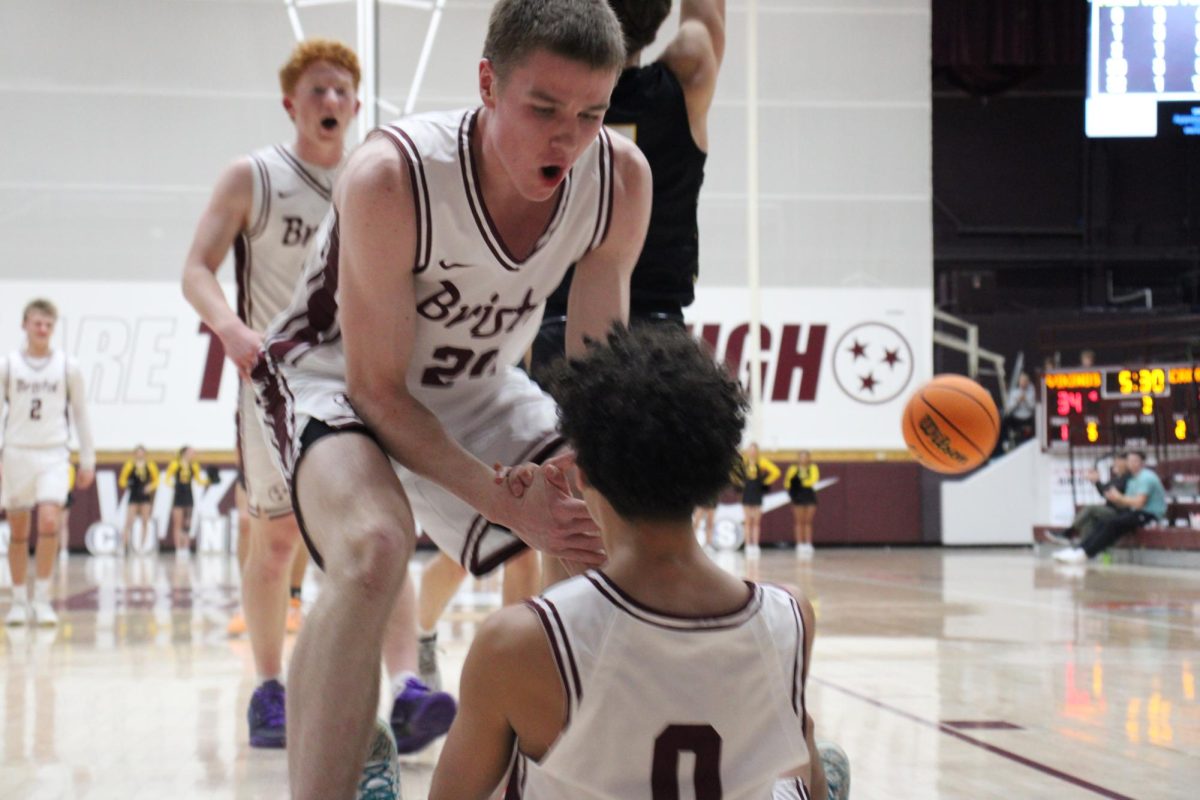
Similarly, when senior Haley Kiser isn’t capturing sports pictures for the yearbook, she enjoys the free-and-easy side of photography.
“I have a little digital camera that I take pictures of my friends and me on, and I really enjoy just… snapping pictures of them,” Kiser said. “They’re not preplanned or professional. I just kind of carry it around with me and take pictures when I see something.”
In the midst of the digital age, it can be extremely hard to find the time to slow down, and the thought of trying to prioritize both relaxation and creativity can seem daunting.
Milby mentioned that keeping up with certain hobbies, such as art and photography, is challenging between school and work; however, there are definitely ways around it.
“Anytime I’m out somewhere, and I think that it’d be a good opportunity for the camera, I bring the camera with me,” Milby said. “Know the times that you’re free, and don’t let other things discourage you.”
Freshman Zen Call agrees that there are some challenges in first breaking into the hobby.
“It [can be] kind of expensive if you try it,” Call said.
Beginner digital cameras often range from about $150-$900, whereas, when getting into the intermediate and professional range, the prices can shoot up to anywhere between $1,000-$2,000+ in many cases.
Despite how it may seem on the outside, the good thing is that there really is no right or wrong equipment to use when just getting into the art. Any camera, even a phone camera, is enough to play around with photography.
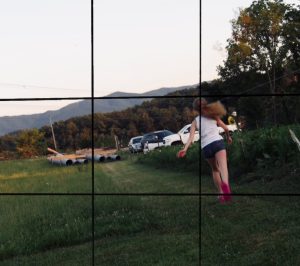
Even with that particular freedom, starting something as broad and experimental as picture taking can still seem intimidating; luckily, there are some fundamentals to the craft that help to simplify it.
“Something that applies to both art and photography [is] composition. There’s a rule of thirds, and it’s pretty easy to pick up on,” Kiser said. “Like, if you cut a page into thirds, you just line up your subject on one of the 3rd lines.”
Really, photography is more accessible than it ever has been: from the revival of digital and disposable cameras to plain old Polaroid pictures, many people now seem to crave authenticity over flawlessness.
One of the primary reasons for this new rejection of perfection is the infiltration of AI-generated images within real human photos.
“[AI] can create what some people can’t, and it [discourages] people who are just now getting into the hobby,” Milby said. “Plus, it’s just not real. It doesn’t have personality.”

The hard truth is that, in social media today, AI images and art tend to dominate over genuine human works.
Knowing this can make starting the hobby feel overwhelming and discouraging, but that’s why it’s important to always remember the patterns and limitations of AI.
“AI can’t generate anything new. It can only collect what’s already out there,” Kiser said.
Sports photographer and sophomore Colby Lane also recognizes what AI lacks.
“I think it’s pretty cool, but it’s unique if it’s made by a person and not AI,” Lane said.
The general consensus seems to be that human photos contain something real and relatable compared to their artificial counterparts; however, there can be some upsides to AI, especially in resolving more technical issues.
“It’s cool if you use the AI to make [some photos] less blurry, but that’s about it,” Call said.
All of that aside, when learning, it’s all about trial and error. What works for one photographer might not work for the next, and that’s okay.
“I didn’t really let anything discourage me, and if anything, rather than just being discouraged, I found inspiration from people who are better than me,” Milby said.
Truthfully, at its core, photography is not just a hobby– it’s a privilege to take advantage of. It’s an act that requires empathy and emotion, but most of all, it’s a reminder of the importance of slowing down just enough to recognize the value of the present moment.



![Lucy Millwood [left] and Sophia Streetman [right] with water guns in hand, getting prepared to eliminate their target(s).](https://thsmaroonandwhite.org/wp-content/uploads/2026/05/senior-a.jpg)