




















![Lucy Millwood [left] and Sophia Streetman [right] with water guns in hand, getting prepared to eliminate their target(s).](https://thsmaroonandwhite.org/wp-content/uploads/2026/05/senior-a.jpg)


























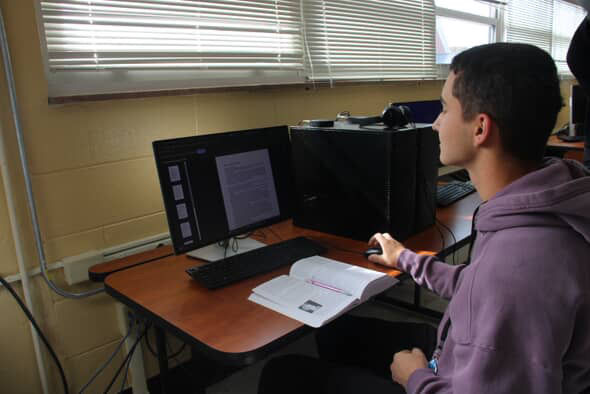






Day after day, students approach the guidance office for a helping hand. Whether it’s mini debates about college or deep, personal discussions about a student’s home life, the school experience is fully uncovered through counseling.
From 2025 on, however, this experience may be relatively different. The Tennessee Department of Education has recently implemented several regulations regarding counselor confidentiality.
11th grade counselor Ali Bartley discussed these new regulations with several junior and senior homerooms, giving a brief overview of the laws.
“So from our understanding, Tennessee is a parent first state, [meaning] parents get a lot of involvement,”Bartley said. “[One of the new requirements] would be sexual activity, “If someone comes in talking about sexual activity, we have to call home.”
In short, the barrier between what stays between a student and their counselor has become shorter, with counselors and teachers being required to contact parents if they hear of sexual activity, STDs, abuse and suicidal thoughts.
“I think it’s for student safety and also [for] better home lives,” Bartley said. “ I feel like implementing these things [gets] parents more involved in their kid’s lives.”
These borders don’t just affect the counselors and students, but also several teachers, particularly the ones with good student relationships.
“There might be some things that a student [could] be embarrassed to tell their mom, but they might be able to tell a professional,” Chemistry teacher Richard Reece said. “So that could become a problem.”
This decrease in concealment of personal information could leave students in an undoubtedly complicated predicament. Reece shares his advice for kids in this situation.
“I would still encourage students to reach out for help.” Reece said. “Sometimes, as a student, you might exaggerate the embarrassment of the situation in the moment, but for the big picture, both the counselor and your parents just want to help.”
Junior Ethan Belcher had mixed reactions to the new regulations, viewing them as beneficial, yet invasive.
“If they feel like they can’t tell anybody without their parents being told, then maybe they [just] won’t tell anybody, then they can’t get the help they need,” Belcher said.
Freshman Waylon Goad feels the regulations were entirely unnecessary, citing their intrusiveness in particular.
“They shouldn’t have to tell my parents if I don’t want them to,” Goad said. “I wouldn’t appreciate that at all.”
While Bartley recognizes the importance of children bettering their relationships with their parents, she isn’t totally sure if the regulations were totally imperative.
“It’s just so much of a gray area,” Bartley said. “ I feel like [while] you want students to have a safe place to talk, parents should [also] know what’s going on with their kids’ lives.”
Looking toward the future, as teachers and counselors begin to acclimate to the new regulations, students could be left looking for answers.
“I don’t want to say don’t talk about it, just try to figure out who your safe people are,” Bartley said. “If it’s not us, I just hope you find somebody you trust and can talk to.”

NG | Dec 22, 2025 at 9:16 PM
I think that although it is a safety precaution to tell parents these things to keep their children safe, certain topics should remain between the student and teacher/counselor. I loved the writing in this article!
rd | Oct 10, 2025 at 10:47 AM
Students should be able to have resources to speak with; not everyone has a family life that encourages reaching out about topics. This is definitely going to deter many people from talking to counselors and teachers. Thanks for the read.